- Influence Weekly
- Posts
- Influence Weekly #424 - 92 Creator Economy Professionals Chime in on What the Creator Economy Needs More of in 2026
Influence Weekly #424 - 92 Creator Economy Professionals Chime in on What the Creator Economy Needs More of in 2026
How L’Oréal Unlearned Advertising And Boosted Creator Results 55%

Nii Ahene
January 16, 2026
Spotlight Stories
92 Creator Economy Professionals Chime in on What the Creator Economy Needs More of in 2026
How L’Oréal Unlearned Advertising And Boosted Creator Results 55%
TikTok Becomes FIFA's ‘Preferred Platform’ For 2026 World Cup Coverage
Why Adidas X Molly Mae Is Bad-Good Business
Great Reads
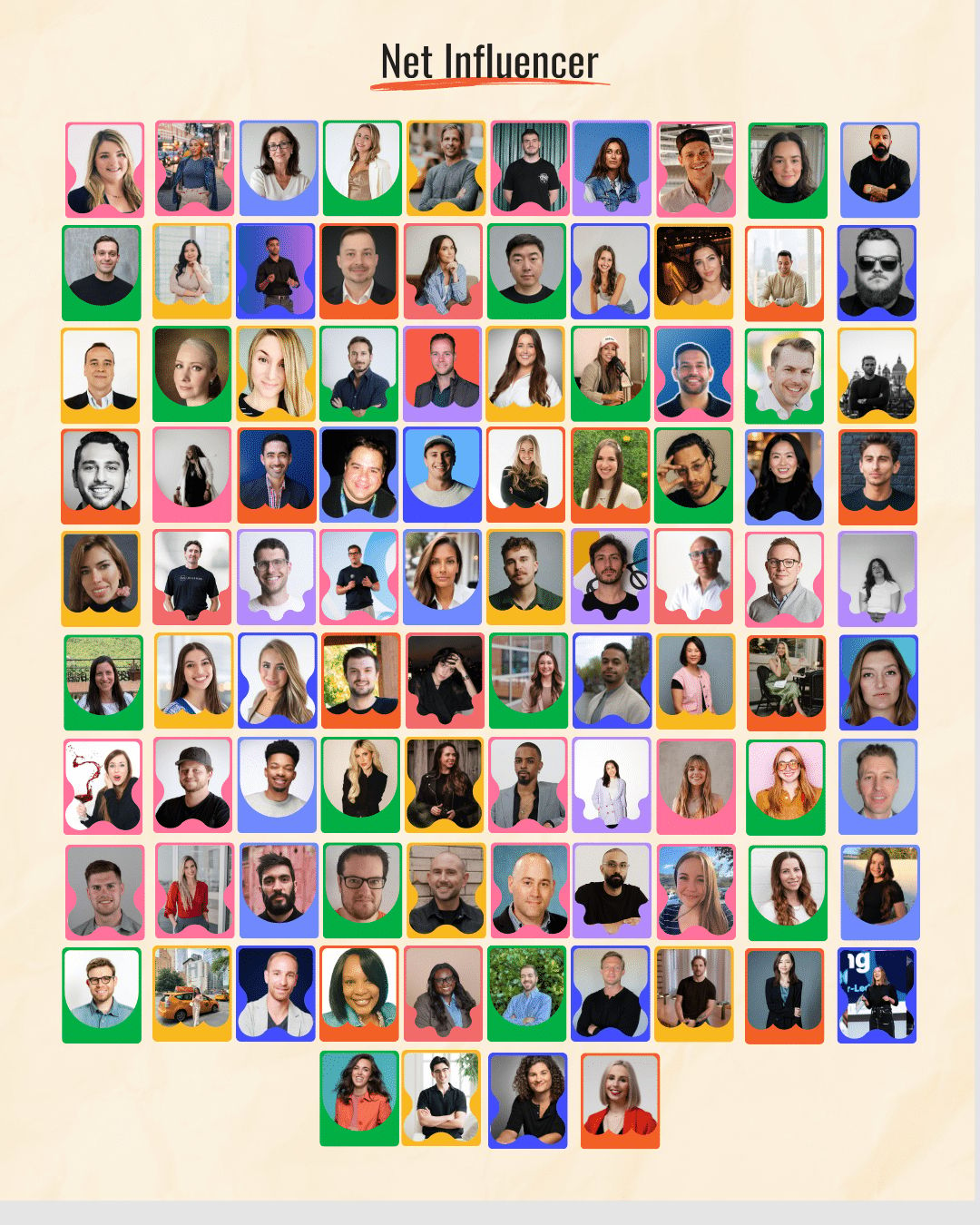
Net Influencer surveyed 92 creator economy experts including agency leaders, talent managers, platform executives, and creators who demand structural transformation in 2026. Key themes included shifting from transactional campaigns to long-term partnerships, operational upgrades addressing payment delays and transparent performance standards beyond vanity metrics, and granting creators creative autonomy over prescriptive briefs.
Respondents emphasized treating creators as strategic business partners while building sustainable ecosystems through transparency and measurement evolution. Consensus centers on depth over novelty as trust compounds through consistent collaboration.
Chinese smartphone manufacturer Xiaomi terminated employees and revoked executive bonuses following fan backlash over a planned partnership with controversial tech influencer known as "The Almighty Bear." The influencer, who has 2.57 million Weibo followers and covers automotive and digital topics, previously made derogatory comments about Xiaomi users, including "Xiaomi won't die; it's the fans who will."
The crisis escalated on January 5 when the influencer claimed "Xiaomi funded me" in a group chat, prompting fan protests on executives' social media accounts. Xiaomi launched an investigation and terminated all personnel involved in the planned collaboration.
Group Vice Presidents Xu Fei and Xu Jieyun received criticism and lost their 2025 bonuses and performance incentives. Xiaomi issued a public apology on Weibo, stating the incident "severely harmed the feelings of its fans." The company pledged not to collaborate with the influencer again and terminated all contact. The influencer's official Weibo account was subsequently deleted.
StreetTalk, a New York-based advertising company founded in 2024, built a business model around street interviews converted into performance marketing assets. Chief Growth Officer Josh Suggs reported the company signed 80 brands in its first summer, generating $150,000 in revenue without paid advertising.
The agency works with consumer brands including PrizePicks, Ridge, Grüns, Brez, and Dr. Squatch, producing short-form videos from unscripted public interviews. StreetTalk positions these conversations as alternatives to influencer endorsements, which Suggs argued have lost consumer trust.
The company operates with trained hosts across multiple cities who conduct interviews designed to move consumers through awareness and conversion within single assets. Content gets tested organically before scaling through paid distribution on Meta and TikTok.
StreetTalk's approach reflects broader shifts as brands seek authentic content formats while AI-generated material proliferates. The company trains hosts internally rather than relying on existing creator followings, creating what Suggs described as income opportunities for performers without established audiences.
Ceci Carloni sits down with David Abbey of CEO of Endlss discussing his complete platform rebuild after discovering brands' real struggles weren't checkout issues but gifting chaos and manual PayPal workflows. Abbey reveals where creator programs collapse, the compound effect at scale, and why alignment between brands and creators matters more than budget or volume for driving results.
Campaign Insights
L'Oréal partnered with Google and creative consultancy Sundogs to analyze over 5,000 global YouTube ads across seven markets and multiple categories. The research revealed that traditional advertising techniques underperform in creator marketing environments.
The study found that extreme close-ups appeared in 55% of high-performing creator videos, while character-driven stories outperformed product-led content by 55%. Creators who acknowledged product limitations alongside benefits drove 30% higher engagement than those who didn't. Videos using unexpected emotions achieved 40% higher engagement despite representing only 6.5% of beauty content.
/
L'Oréal applied these findings to Maybelline's Colossal Bubble mascara campaign, partnering with location-guessing creator Rainbolt instead of traditional beauty talent. The campaign generated an 8.27% video engagement rate, 5.5 times higher than benchmarks, and became one of the top 100 most-engaged Instagram videos in the U.S. on launch day. The mascara sold out at key retailers with triple-digit sales growth.
Wicked Saints Studios partnered with Discord and WNBA champion Aerial Powers to launch #TogetherWeGame, a holiday activation running through January 31, 2026. The campaign embedded Powers directly into gameplay of "World Reborn," the studio's mobile game where players earn in-game currency through real-world actions rather than purchases.
The female- and Black-led studio, founded in 2020 and backed by Riot Games with over $5 million raised, designed Powers as narrative scaffolding within the game rather than external promotional talent. Players complete a three-step quest guided by Powers' voice and story: reflecting on intergenerational gaming, planning sessions with older family members, and executing shared gaming experiences.
Wicked Saints reported #TogetherWeGame became the top-performing module in "World Reborn" based on completion rates. The activation coincided with Discord's Family Center tools rollout and targeted Gen Z players returning home for holidays. Players earn bonus in-game Energy for social sharing across platforms including TikTok, with pre-populated captions and hashtags to reduce friction.
Amazon Ads and Dubai-based Creators HQ launched the Amazon Creators Foundry program on January 9-11 during the 1 Billion Followers Summit in Dubai. The program enables UAE-based content creators within the Creators HQ network to develop and sell products on Amazon.ae with end-to-end support using Amazon's infrastructure and seller tools.
The program provides education covering retail fundamentals, product development, digital marketing, and brand building. Participants receive dedicated Amazon.ae storefronts and Amazon Ads credits to increase visibility. Eligible creators can access Amazon's global selling registration program to list products worldwide.
This marks the third platform partnership with Creators HQ in 2025. YouTube launched YouTube Academy with Creators HQ in September, offering quarterly masterclasses. TikTok partnered in June to launch a five-day bootcamp for creators with over 10,000 followers. Creators HQ launched in January 2025 with backing from the AED 150 million Content Creators Support Fund established under directives from Sheikh Mohammed bin Rashid Al Maktoum.
Adidas announced a sneaker collaboration with British influencer Molly Mae, a former Love Island contestant with 8.5 million Instagram followers. The partnership will launch a footwear collection, with Adidas UK commenting "Yeah this feels special" on Mae's Instagram announcement.
The collaboration surprised industry observers given Adidas's recent strategy under CEO Bjørn Gulden to focus on athletes and sporting authenticity following the costly dissolution of its Yeezy business unit in 2023. Adidas has recorded double-digit sales growth each quarter for 18 months with projected 2025 revenue of $27 billion.
Mae previously served as creative director of fast fashion retailer Pretty Little Thing from 2021 to 2023. Industry analysts described the partnership as reminiscent of 2020-era influencer marketing strategies that both Adidas and Nike moved away from in favor of athlete-focused campaigns.
Creator advertising platform Agentio analyzed over 10,000 YouTube creator integrations and found that brands need 90-day attribution windows to accurately measure YouTube partnerships. The research revealed that 40% of video views and 30% of clicks occur more than 30 days after a sponsored video goes live, with macro-creators seeing 46% of total views after the 30-day mark.
The analysis showed repeated partnerships with the same creator improved performance, with click-through rates increasing approximately 10% per additional integration and conversion rates 1.9 times higher by the sixth collaboration. Brands maintaining consistent YouTube creator spending for four consecutive quarters saw 38% reductions in cost per thousand impressions after two quarters.
Agentio's research found brands testing 10 or more creator content verticals achieved 2.3 times higher partnership success rates than those testing fewer categories. The company provided a case study of Bombas, which executed 450 integrations generating over 165 million views with an 83% view-through rate and scaled spend by 327%.
Friends In Reality, a New York-based talent management company founded in 2024 by CEO Devain Doolaramani, launched with a focus on building creator-owned businesses rather than traditional brand partnerships. The company represents creators ranging from tens of thousands to 70 million followers across its roster.
The firm operates on a relationship-first model with two-month trial periods before formal contracts. Doolaramani positions the company as both manager and operational partner, helping creators pursue equity deals instead of cash sponsorships and build direct-to-consumer products.
Friends In Reality has spent two years developing a beauty brand with TikToker Brooke Monk, handling manufacturing sourcing in China and Korea, freight forwarding, product labeling, and operational infrastructure. The company also encourages platform diversification beyond TikTok and Instagram to reduce algorithm dependency.
Doolaramani argues smaller creators with engaged communities often monetize better than those with millions of followers, citing creators with 200,000 followers who move more product than those with six million.
Creator agency NewGen secured Curaleaf's influencer marketing account for 2026 following a two-stage pitch process conducted over four weeks. Curaleaf, a UK medical cannabis clinic that UK regulators rate as the highest-performing facility, selected NewGen to lead awareness campaigns positioning medical cannabis as treatment for chronic conditions when traditional therapies fail.
The partnership focuses on reducing stigma around medical cannabis to improve patient access. NewGen will serve as agency of record for the medical cannabis company, which treats patients with treatment-resistant conditions including chronic pain.
Influencer marketplace Collabstr reported that brands reduced TikTok-specific campaigns by 48% in 2025 while user-generated content collaborations surged 133%, based on analysis of 21,000 collaborations and 200,000 creators. The shift followed regulatory uncertainty around TikTok's U.S. operations and a temporary platform blackout in January 2025.
Instagram maintained its lead with 40% of campaigns, followed by platform-agnostic UGC at 35% and YouTube at 1% growth. TikTok's share dropped from 41% to 21% of total engagements year-over-year. Nearly 80% of brand collaborations cost under $300, with UGC campaign costs declining 5.7% to an average of $197.
YouTube creators earned the highest average payouts at $255 per engagement, down 63% from $418 the previous year. Instagram averaged $193, TikTok $186, and UGC $154. Male creators earned $205 per engagement compared to $166 for female creators, maintaining a 24% pay gap despite both genders seeing reduced rates.
California Governor Gavin Newsom's podcast "This is Gavin Newsom" accumulated more than 10 million views and 230,000 YouTube subscribers since launching in March 2024. The show ranked as the second-highest official podcast channel for a politician, trailing only Senator Ted Cruz, according to a Washington Post analysis. Across all platforms, the podcast generated more than 120 million views or listens.
Newsom faced criticism from Democrats after interviewing conservative figures including Charlie Kirk, Steve Bannon, and Michael Savage in early episodes. The governor told Politico he received private backlash from party members that was more extensive than public criticism.
The podcast formula contributed to Newsom's increased national profile in 2024. He confirmed he will continue interviewing conservative guests, including Ben Shapiro this week. Newsom also plans to revive his previous podcast "Politickin'" with Marshawn Lynch and Doug Hendrickson. The governor said podcast conversations influenced policy decisions, including signing legislation to fast-track psychedelics research for veterans' mental health treatment.
Interesting People
Cosplay creator Ravengriim launched a new podcast "Take A Bite" with media executive Ursus Magana from 25/7 Media, expanding beyond her video content across TikTok, Instagram and YouTube. The show releases twice weekly and explores anime, horror, music and personal interests, remaining unmonetized while the creators focus on building an audience.
Ravengriim operates across multiple platforms with 3.1 million total followers, including 3.3 million on Instagram, 3.2 million on TikTok, and 368,000 YouTube subscribers. She stopped monetizing TikTok content, citing format constraints and authenticity concerns, while focusing revenue generation on Facebook, YouTube, and Snapchat ad monetization alongside brand partnerships.
The creator, who began posting content in 2008, experienced growth during the pandemic-era creator surge but recently faced burnout from managing different content formats across platforms. She co-hosts the podcast as "exposure therapy" to improve her speaking skills, with Magana handling technical production while she focuses on creative direction.
Streamer Ludwig Ahgren has built a creator empire through strategic risk-taking and ruthless efficiency with audience time. The former Twitch star made history in 2021 with a 31-day subathon that drew 282,000 concurrent subscribers, breaking platform records.
He later jumped to YouTube in a high-profile exclusive deal and now commands 6.8 million subscribers. Ludwig has diversified into live events including chessboxing tournaments costing 1.5 million dollars and the Streamer Games, positioning himself as an event producer beyond traditional content creation.
He founded production cooperative Offbrand in 2022, though it ultimately failed. Most recently, he competed in Formula 4 racing at Le Mans with 23 other streamers. His approach centers on maximizing value per viewer minute, treating 20,000 watching audiences as 20,000 minutes of human attention. Ludwig credits journalism training and partner QTCinderella for shaping his community-building strategy.
CAA signed Scalable, a creator economy-focused media company founded by Kaya Yurieff and Jasmine Enberg, on January 7, 2026. The agency will work with the female-led company on media opportunities, partnerships, live events, and brand extensions as it expands its footprint.
Yurieff spent ten years as a journalist at CNN and The Information, where she covered the creator economy as a dedicated beat. At The Information, she organized the annual Creator Economy Summit. Enberg worked for more than a decade as an analyst and researcher focused on social media, digital advertising, and the creator economy.
Scalable offers a podcast, newsletter, and research reports covering the creator economy sector. The company plans to hold its first Scalable Summit in Los Angeles this spring, expanding its live events presence in the growing creator economy space.
The Flow Cooperative launched in 2023 as a creator-owned music and social media platform structured as a California cooperative corporation. Creators own the company through a one-member-one-vote model with no individual owning more than 5% of shares.
The Sunnyvale-based platform operates through three revenue streams: paid attention streaming where subscriber fees go directly to listened-to artists, direct music downloads, and backstage pass subscriptions. According to founder Michael Hanuschik, artists need approximately 3,600 subscribers at minimum monthly rates to earn over $100,000 annually.
The platform bans advertising, user data sales, bots, and AI-generated music. Users receive limited daily "Flowji's" to reward human traits like creativity and wisdom, which drive algorithmic promotion instead of engagement metrics. The Flow requires invitation-only access with identity verification.
Twitch streamer Kai Cenat launched clothing brand Vivet through a 23-minute YouTube video published January 13, 2026. Cenat, who became the first Twitch streamer to reach one million subscribers in September 2025, documented the manufacturing process in Italy, showing hands-on involvement in denim production and garment construction.
The announcement video was initially titled "I Quit," misleading viewers before revealing the fashion venture. Cenat traveled to Italy to film high-end denim manufacturing processes, with additional content available on his secondary YouTube channel "kai's Mind."
The launch follows Cenat's December 2025 social media posts addressing mental health concerns. He posted on X that he was "losing touch of reality" due to consistent streaming and needed to "take a step back and fully reset." In the announcement video, Cenat discussed self-doubt with his mother, stating he had "achieved so much" but was experiencing uncertainty about being "only known for one thing." The brand represents Cenat's expansion beyond digital streaming into fashion retail.
Fashion influencer Jayda Cheaves signed with Wasserman for representation, positioning her to expand beyond her existing beauty and clothing businesses into traditional media and entertainment ventures. The deal was announced January 15, 2026, according to The Hollywood Reporter.
Cheaves commands 13.6 million followers across platforms, including 8.6 million on Instagram, 4.6 million on TikTok, and nearly 400,000 on YouTube. She operates Jayda Cheaves Beauty and the Waydamin clothing brand, and has worked with Savage x Fenty, PrettyLittleThing, and True Religion.
Amron Lopez, Vice President of Creators at Wasserman, and Nick Reisch will lead her representation team. The signing reflects Wasserman's creator economy focus following five acquisitions in 2025: Riddle & Bloom, Brillstein, CSM Sports & Entertainment, J1S, and Long Haul Management.
Cheaves hosts the podcast "Act Normal" and has appeared in BET+ reality series and Amazon Prime documentaries.
Industry News
TikTok secured FIFA's first-ever "Preferred Platform" designation for the 2026 World Cup, expanding their partnership that generated tens of billions of views during the 2023 Women's World Cup. The agreement runs through the end of 2026 for the 48-team tournament.
The partnership includes an immersive FIFA World Cup 2026 hub powered by TikTok GamePlan, featuring match content, ticket information, and interactive elements like custom stickers and filters. TikTok and FIFA will launch a creator program providing select global creators with access to press conferences, training sessions, and behind-the-scenes content, while a broader group receives opportunities to use FIFA archival footage.
Official FIFA World Cup 2026 Media Partners can live-stream match portions on TikTok, post curated clips, and access special FIFA-produced content. Broadcasters can monetize coverage through TikTok's premium advertising solutions. TikTok will implement anti-piracy policies to protect FIFA's intellectual property.
Edelman appointed Jo Burford as Head of Creator Marketing for EMEA in a newly created role, marking the communications firm's expansion of creator services beyond North America. Burford started January 5 and reports to Tyler Vaught, Global Head of Creator.
Burford brings 15 years of experience and joins from TikTok, where she served as Head of Creators for UK, Ireland, and Nordics. She previously held roles as Global Head of Marketing at Whalar and Head of Creator Partnerships for EMEA at Twitter. She will oversee a team of 30 specialists across the region.
The firm established Germany and UK as key hubs for EMEA creator operations. Freya Lifely, a three-year Edelman veteran, became Head of Creators for the UK, reporting to Burford. Based in London, Burford will oversee creator offerings for clients including Unilever, PayPal, and Microsoft. Edelman expects its creator business to double over the next year following 2025 growth.
SuperAwesome, a kid-safe technology company, acquired Starglow Media on January 14, 2026, marking its first acquisition since its management buyout from Epic Games. Starglow Media, which launched in 2023, operates more than 45 audio shows that generate over 120 million annual listens.
The acquired company's portfolio includes licensed content from Paramount such as Blue's Clues and Dora the Explorer, plus original programming like "Mysteries About True Histories." Starglow has established partnerships with Disney, Netflix, Toyota, Hasbro, Paramount, and Penguin Random House.
The deal expands SuperAwesome's existing channels beyond gaming, creators, YouTube, mobile games, and connected TV into family audio content. Starglow founder and CEO Jed Baker joined SuperAwesome as Head of Audio, while Agerenesh "Aggi" Ashagre Palmer leads audio operations for the combined business.
Pixability released research showing 43% of U.S. media agencies plan to increase YouTube advertising investment in 2026, with 38% maintaining current levels and only 4% decreasing spending. The study surveyed 171 agency professionals in November 2025.
YouTube's role expanded beyond traditional digital video into connected TV, social media, and performance marketing, forcing agencies to reorganize teams and budgets. Currently 73% classify YouTube as standalone video, while 63% consider it a CTV platform and 50% view it as social media.
Platform spending showed YouTube and CTV growing in parallel during 2025, with 51% of agencies increasing YouTube investment and 52% boosting CTV spending. Traditional linear TV declined, with 37% reducing allocations.
YouTube Shorts adoption accelerated, with 67% of agencies planning to include the format in 2026 campaigns versus 50% in 2025. Agencies expect 44% will merge CTV, YouTube, and TV teams, up from 33% currently. Brand safety remained a top concern, with agencies estimating 30% of impressions would run on unsuitable content without third-party measures.
CreatorIQ released survey findings showing uneven creator compensation despite record influencer marketing spending in 2025. The creator marketing platform surveyed 300 creators and analyzed payment data from 14,400 creators who received payments through its platform.
The influencer marketing industry reached $32.55 billion globally in 2025, with average brand spending increasing 171% year-over-year. However, creator earnings remained concentrated among top performers. Among surveyed creators, 11% reported six-figure annual incomes while the average creator earned $44,293.
Payment data revealed wider disparities. Creators in CreatorIQ campaigns averaged $11,400 but had a median of $3,000, with the top 10% receiving 62% of total creator payments. Total creator payments increased 59% year-over-year while creator participation grew 183%, indicating scaling outpaced compensation growth.
Creators identified platform algorithm changes and inconsistent brand deals as primary business barriers. Nearly all creators (99%) said creative control was important in partnerships, prioritizing growth opportunities, financial compensation, and creative freedom in brand relationships.
Meta confirmed it is internally testing a basketball game for Threads direct messages. Reverse engineer Alessandro Paluzzi discovered the feature, which allows users to shoot hoops by swiping their finger and compete for high scores. A Meta spokesperson told TechCrunch the company is prototyping the game internally but has not announced plans for public release.
The development follows Meta's previous experimentation with in-message gaming on Instagram, which launched a hidden emoji paddle game in direct messages last year. Users move a paddle to keep an emoji bouncing and compete for the highest score.
Threads reported 400 million monthly users and recently expanded its Communities feature with additional topics and added a disappearing posts feature that automatically archives content after 24 hours. Despite its user base, the platform faces adoption challenges in the United States, where Pew Research Center found 21 percent of adults have used X compared with 8 percent who have used Threads.
Connecticut launched the Connecticut Content Creator Collaborative, becoming the first U.S. state to create a government-sponsored directory connecting businesses with social media influencers. The platform went live at an event at the New Britain Museum of American Art that drew approximately 200 attendees and 20 content creators.
The directory allows businesses, municipalities, and nonprofits to search for creators by target audience age, interests, and social media platforms. Influencers self-register with entries vetted by state staff before publication, according to Chief Marketing Officer Anthony Anthony, who announced the initiative before stepping down in February.
Attendees included "The New England Couple," creators Stephanie Caron and Josh Krasnecky with 45,000 TikTok followers and 340,000 Facebook followers. Kathleen Roche of "Connecticut Bucket List," who covers local attractions, said she typically charges approximately $1,500 to begin working with businesses. The launch coincides with Goldman Sachs projections that the creator economy will reach nearly $500 billion by 2027.
Gaming Network FGN Acquires Creatraction To Add Creator Marketing To Rural Broadband Gaming Platform
FGN Inc., which operates a national esports and simulation gaming platform, acquired Creatraction in an all-stock transaction with undisclosed terms on January 12, 2026. Creatraction provides creator marketing and AI engagement tools for influencer campaigns, esports streaming, and branded digital content.
The combined entity targets rural broadband providers, industry employers, and workforce development organizations to improve engagement and conversion rates. The platform merges FGN's low-latency gaming infrastructure with Creatraction's creator activation and generative AI tools.
Rural internet service providers can use the platform to differentiate broadband offerings through exclusive gaming experiences and influencer-driven subscriber acquisition. Employers and workforce agencies gain access to digital audiences in trucking, construction, agriculture, and broadband infrastructure sectors.
FGN stated existing Creatraction customers will experience no disruption. The company plans to integrate generative and agentic AI services into the platform during the first quarter of 2026, allowing partners to use influencers to connect gaming participation with skills development programs.
Kirsten McNeill founded Kindly Collective Agency in April 2023, a Los Angeles-based boutique talent management firm specializing in wellness and lifestyle creators. The agency manages a roster of 18 creators through a remote operation staffed by McNeill and one senior coordinator.
The company grew organically after McNeill left her previous agency role managing creators including Pokimane. Word-of-mouth referrals drove all client acquisitions, with creators approaching her rather than active recruitment. Of the 18-creator roster, 11 are women of color, reflecting McNeill's focus on underrepresented voices in wellness content.
Kindly Collective handles end-to-end creator representation including negotiations, contracts, compliance, invoicing and campaign execution. The agency targets what McNeill calls "high-trust categories" where creator recommendations directly influence audience health decisions. This positioning requires creators to test products for weeks before endorsement and careful attention to FTC disclosure requirements.
The company plans selective expansion in 2026, moving from purely inbound growth to targeted outbound recruitment while maintaining close creator relationships.
Chtrbox, an influencer marketing platform majority-owned by QYOU Media, launched international operations with Dubai as its Middle East hub on January 13, 2026. The company appointed Raj Mishra as Managing Director and CEO to lead the regional expansion.
Mishra previously served as Country Head of TikTok India, where he built the platform's operations and scaled its creator ecosystem. He will oversee creator network development, platform and brand partnerships, and strategic investments and M&A opportunities in the region.
The expansion aims to connect Indian and Middle Eastern creator economies through talent exchange and brand collaborations. Curt Marvis, CEO and co-founder of QYOU Media Inc., described the move as part of the company's strategy to build a global creator economy platform.
Link Management launched as a digital creator talent firm representing more than 50 creators with a combined reach exceeding 60 million followers. Founded by talent management veteran Brooke Meister and investment banker Alex Dochter, the company began operations in 2025 and officially announced its launch in January 2026.
The firm's roster includes social media personalities, BookTok creators, fitness influencers, and reality TV cast members spanning beauty, fashion, lifestyle, wellness, and parenting categories. Notable clients include NFL Majorette Chloe Holladay, TikToker Yolanda Diaz, and "Love Island USA" Season 7 cast member Jalen Brown.
Since launch, Meister secured deals for Link clients with Sephora Squad and Ulta Beauty Collective. The company also assisted with launches of creator-led product lines beyond traditional brand partnerships. Meister serves as co-managing director focusing on talent strategy and campaign execution, while Dochter oversees infrastructure, finance, and operations using his investment banking background.
Registration Required
TikTok's global head of creators Kim Farrell left the company on Wednesday as part of a reorganization of its content division. The restructuring eliminated 20 US positions and additional roles globally, with TikTok merging its creator and publisher teams into one unit.
Farrell joined TikTok nearly six years ago and became global creator lead in late 2023. She organized TikTok's first creator awards show at the Hollywood Palladium in December 2025.
The departure continued a pattern of executive turnover at TikTok over the past 18 months. TikTok Shop US operations lead Nico Le Bourgeois left in May, advertising leader Blake Chandlee stepped down in March, and global marketing head Kate Jhaveri departed in September 2024.
The reorganization occurred as TikTok prepared to spin off parts of its US business through a joint venture with Oracle and investment firms Silver Lake and MGX. CEO Shou Chew announced the deal would close later this month, with the new entity overseeing data security while e-commerce and advertising remain under ByteDance control.
The Kid Mero launched as Hot 97's new morning host, replacing the canceled "Ebro in the Morning" show. The Bronx-born podcaster and comedian brings significant digital credibility to the legendary New York hip-hop station, which competes directly with Power 105.1. Mero rose to fame through "Bodega Boys" and "Desus & Mero" before launching solo ventures including "Victory Light" and "7PM in Brooklyn" with Carmelo Anthony.
His first four-hour shift featured only 30 minutes of talk time, congratulatory calls from listeners, and celebrity messages from Kenan Thompson and French Montana. The 42-year-old acknowledged concerns about his progressive politics and trademark profanity but committed to adapting for broadcast radio. Station veteran Funkmaster Flex called it an evolutionary phase, noting political conversation has become essential for morning hosts. Mero's hiring represents Hot 97's strategic move to reclaim New York authenticity while appealing to internet-savvy audiences.
Conservative social media influencers have become Washington's newest power brokers, earning substantial fees to promote corporate and foreign interests with minimal disclosure requirements. Israel spent 900,000 dollars on influencer campaigns, while Qatar hosted Formula One trips worth over 10,000 dollars per ticket for pro-Trump personalities.
Alex Bruesewitz received 300,000 dollars from marijuana interests before publicly advocating for reclassification, which Trump ultimately enacted. Individual post rates now range from hundreds to tens of thousands of dollars, with some creators doubling rates during the Trump administration. CJ Pearson launched his own firm connecting influencers with companies after being hired by the Solar Energy Industries Association.
Unlike traditional lobbyists, these influencers face few disclosure requirements and aren't bound by journalism ethics rules. Influencer Debra Lea earned over 20,000 dollars from single contracts while simultaneously advising officials and appearing as Fox News commentary. The model blurs lines between consulting, advocacy and journalism, with White House assistant Natalie Harp reportedly printing influencer posts for Trump's review.
New York Mayor Zohran Mamdani held an exclusive City Hall news conference for social media influencers and digital content creators Wednesday, barring traditional press outlets. The 78 attendees commanded roughly 82 million combined followers across platforms, representing personalities who helped propel the once-obscure assemblyman to his mayoral victory.
Food influencer Layla Taremi, who boasts 92,000 Instagram followers, asked the opening question wearing campaign merchandise. Fitness creator Avelyn Castillo immediately booked flights from Atlanta after receiving the invitation. Traditional City Hall reporters expressed frustration at their exclusion from Mamdani's first formal news conference.
The mayor emphasized creators as trusted community voices across all boroughs and took a group selfie. NoLIta Dirtbag creator Alex Hartman noted the administration's responsiveness after Mamdani personally filled a Williamsburg Bridge pothole he'd complained about online. The event mirrors tactics by Trump and Biden, who similarly granted digital creators White House access while bypassing skeptical traditional media.