- Influence Weekly
- Posts
- Influence Weekly #427 - NFL Is Bringing 160+ Creators To Super Bowl LX Week, Names Dhar Mann Chief Kindness Officer
Influence Weekly #427 - NFL Is Bringing 160+ Creators To Super Bowl LX Week, Names Dhar Mann Chief Kindness Officer
Why NBCUniversal Is Treating Creators As Infrastructure For The Milan Cortina Olympics

Nii Ahene
February 06, 2026
Spotlight Stories
Why NBCUniversal Is Treating Creators As Infrastructure For The Milan Cortina Olympics
NFL Is Bringing 160+ Creators To Super Bowl LX Week, Names Dhar Mann Chief Kindness Officer
Twitch Launches Month-Long Bloxfest Event With $300K Prize Pool, Exclusive Roblox Rewards
Meta Expands AI-Powered Creator Marketplace With New Performance Prediction Tools
Great Reads
NBCUniversal launched the Milan Cortina Creator Collective for the 2026 Winter Olympic Games, expanding its creator program that generated nearly 300 million video views during Paris 2024. The media company partnered with YouTube, Meta, and TikTok to embed creators into Olympic coverage as operational infrastructure rather than promotional extensions.
Senior Vice Presidents Lyndsay Signor and Geo Karapetyan developed a structured system where creators receive behind-the-scenes access to broadcast studios and production sets typically reserved for top talent. The program deliberately selects non-sports creators to reach audiences beyond traditional Olympic viewers, with only one or two sports-focused creators among the roster.
NBCUniversal treats creators as rotating production units, organizing them in waves mapped against competition schedules and storytelling priorities. Creators operate with editorial freedom while supported by what Signor describes as "air traffic control" operational coordination across multiple cities and events during the February 6-22 Games.
CreatorIQ released its "State of Creator Compensation" report analyzing payment data from 14,000 creators and surveys from 300 creators. The report revealed creator earnings averaged $44,293 annually, but median earnings from brand campaigns reached only $3,000. The top 10% of creators captured 62% of total creator payment volume on the platform.
Influencer marketing reached $32.55 billion globally in 2025, with brand spending increasing 171% year-over-year. However, only 11% of creators reported six-figure annual earnings. The study found 88% of creators faced growth barriers, citing platform volatility, inconsistent brand deals, and low pay as primary challenges.
Only 40% of creators on CreatorIQ participated in repeat brand partnerships, falling short of industry expectations for long-term relationships. CreatorIQ's Chief Marketing Officer Brit Starr and Research Manager Cherline Bazile noted this retention gap undermines brand investment efficiency and creator business sustainability across the expanding creator economy.
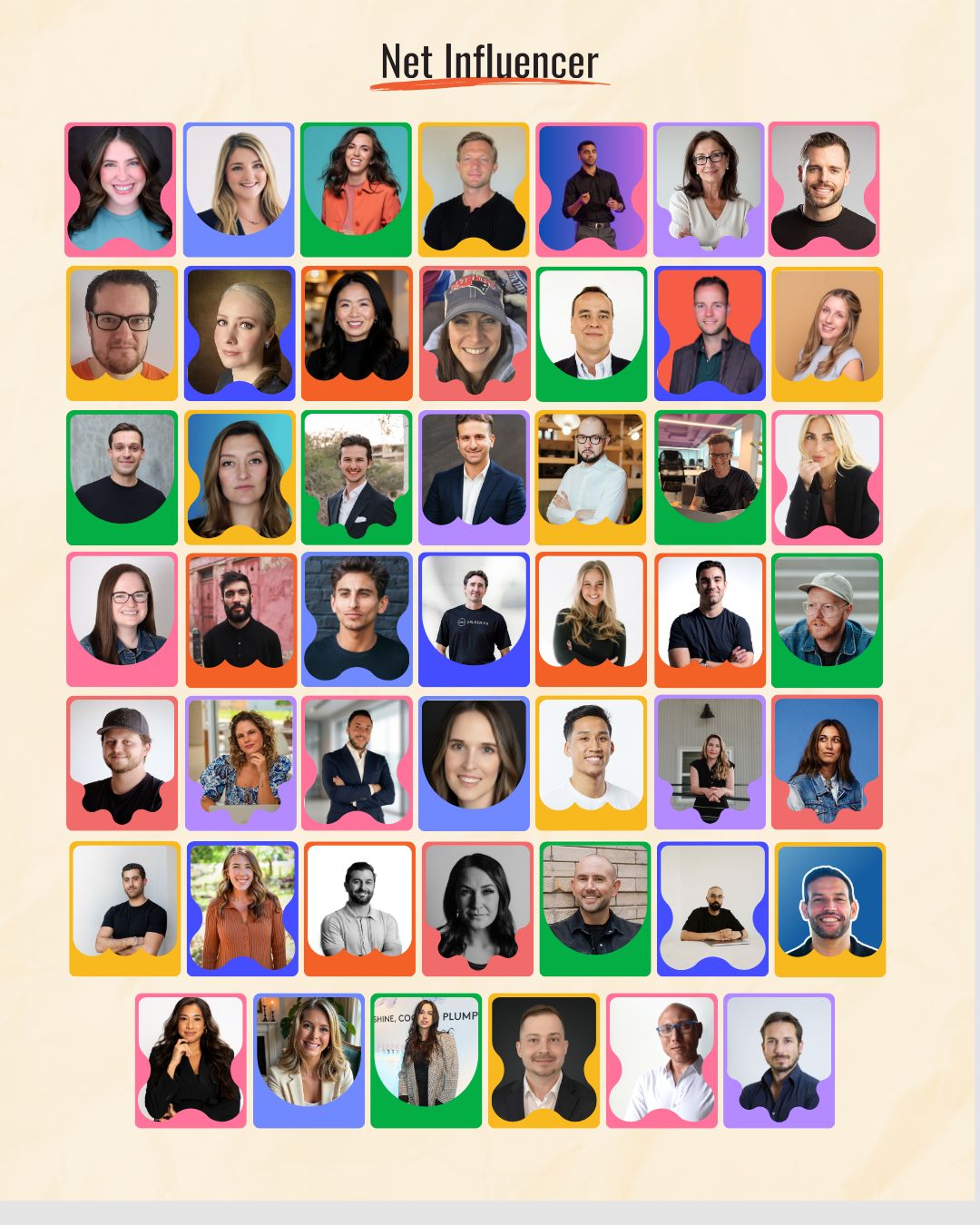
Forty-eight industry experts agree brands must treat major cultural events as multi-week campaigns rather than single-day activations. The consensus centers on three phases: building anticipation before the event, enabling real-time creator reactions during, and extending momentum afterward through follow-up content.
Experts emphasize giving creators creative freedom and treating them as strategic partners, not media placements. The Super Bowl's eight million dollar ad slots no longer guarantee results alone, as viewership fragments across second screens and social platforms. Several professionals noted successful brand partnerships involve creators months in advance, allowing authentic integration into existing content narratives.
Campaign Insights
The NFL partnered with YouTube and Snapchat to host more than 160 creators during Super Bowl LX week in the Bay Area. The league named Dhar Mann, who has 163 million followers across platforms, as Creator of the Week and Chief Kindness Officer for the event.
Mann launched "Be Kind to Your Rival," a social campaign where he will donate $1 to St. Jude Children's Research Hospital for each qualifying post using #KindnessWinsBig, up to $100,000. Forbes ranked Mann as the #2 Top Creator of 2025, and his Dhar Mann Studios reports 296 million views weekly.
The Super Bowl LX Flag Football Game will stream on the NFL's YouTube channel on February 7. Last year's flag football game delivered six million live views. YouTube creators participating this season included Adam W, Morgan Riddle, The Golden Balance, Cheff Otto, and Kevin Langue, with a combined subscriber base exceeding 86 million.
The NFL completed the third season of its Creator of the Week program with YouTube, featuring the most international creators in program history.
The Interactive Advertising Bureau found that creator partnerships became brands' top advertising priority in 2026, with 57% of buyers ranking them first among ad formats. This represented an increase from 48% in 2025, based on a study of 205 U.S. advertising decision-makers conducted between November 2025 and January 2026.
Social media advertising, where most creator partnerships operate, was projected to grow 14.6% in 2026, outpacing connected television at 13.8% and commerce media at 12.1%. Overall U.S. advertising spending was expected to rise 9.5%, accelerating from 5.7% growth in 2025. The IAB attributed 18% year-over-year growth in creator economy ad spending to brands seeking content that differentiates from AI-generated material.
Brand priorities shifted toward customer retention strategies. While acquisition remained the top objective at 54%, this declined from 64% in 2025. Repeat purchase campaigns rose to 25% from 13% in 2024. Nearly all respondents (96%) reported awareness of agentic AI for advertising buying, with 66% planning increased focus on automated campaign execution systems.
Twitch launched Bloxfest, a month-long Roblox gaming event running February 5-27, featuring a $300,000 prize pool for streamers and exclusive in-game rewards for viewers. The streaming platform partnered with Roblox to offer limited-time virtual items and introduced a new global emote called RobloxCheer during the event period.
Streamers can compete in a tournament from February 5-23, earning points through daily streaming and completing challenges. The top 80 qualifying creators from North America, South America, and Brazil will advance to the Grand Finale on February 26-27, where they will be drafted onto teams led by eight gaming personalities including KreekCraft and NicoBlox.
Twitch will feature Roblox streams in its front-page carousel and dedicated collections throughout February to increase exposure for participating creators. Viewers who subscribe to any Roblox stream during the event will receive exclusive chat badges, with additional rewards distributed based on viewership milestones on specific days throughout the month-long promotion.
Old Navy partnered with YouTube creator Dhar Mann to produce a four-episode series titled "Old Navy vs. Designer" that launched in February 2026. The collaboration began during a live brand experiment at Advertising Week NYC in October 2025, where Mann developed an Old Navy concept on stage.
The series features Mann conducting street interviews where participants guess whether model outfits are from Old Navy or designer brands. Episodes include appearances from creators Rebecca Zamolo and the Anazala Family, targeting Mann's Gen Z audience across YouTube and other social platforms.
The partnership represents the first phase of a longer-term collaboration between Mann and Old Navy. Gap Inc., Old Navy's parent company, introduced a centralized creator affiliate program across its portfolio in October 2025, covering Old Navy, Gap, Banana Republic, and Athleta.
Influencer marketing platform Traackr released research showing brands expanded creator programs in 2025 but failed to achieve better performance outcomes. The analysis examined over 10 million pieces of branded content from more than 760,000 creators between January and October 2025 across beauty, fashion, personal care, food and beverage, and spirits categories.
Brands increased active creator participation by 22% to 66% year-over-year across categories. Despite higher creator volume, most sectors experienced declines in average audience size, content performance, and overall attention. Fashion brands expanded creator participation by 37% but saw total attention decrease 5%. Personal care brands increased creator volume by 53% while total attention fell 15%.
Beauty was the only category to post year-over-year growth in total attention, rising 22% despite a 30% decline in average audience size. Brands like L'Oréal Paris, Maybelline, Neutrogena, and Dior maintained creator retention rates above 50% by shifting toward creator-native formats designed for repeat participation. The number of boosted video posts rose 166% overall as organic performance weakened across categories.
Fashion brands shifted their influencer marketing strategies in 2026 as the industry evolved from awareness-focused campaigns to conversion-driven partnerships. The change reflected the growing sophistication of creator collaborations and new performance tracking technologies.
WPP forecasted social media ad revenue, including creator partnerships, reached $413 billion in 2025, surpassing traditional media spending. Brands moved beyond simple #ad posts to incorporate strategic gifting, affiliate marketing, and product development collaboration with creators.
New platforms emerged to support this evolution, including ShopMy for affiliate-centered influencer monetization and Agentio, an AI-powered platform connecting brands with creators. Roy Peters from The Sociable Society noted that brands now seek creators who can deliver both reach and conversion.
Fashion companies including Tarte, Free People, DeMellier, Aligne, Dorsey, and Crown Affair adopted more data-driven approaches to measure influencer partnership performance. Creators gained more creative control and began pushing back on overly prescriptive brand requirements to maintain audience trust and authenticity.
TikTok Shop announced it will end independent shipping for U.S. sellers, requiring all merchants to use TikTok's logistics services starting February 25 through March 31. The policy mandates sellers use Fulfilled by TikTok warehouses, Upgraded TikTok Shipping, or Collections by TikTok door-to-door pickup service.
Several brands responded by reducing their TikTok Shop presence or exiting entirely. Nadya Okamoto pulled her pajama brand Matching from the platform, citing costs and operational complexity for smaller businesses. Other sellers plan to reduce product offerings and scale back promotions due to higher fulfillment fees that squeeze margins.
The change complicated TikTok's efforts to attract enterprise clients through Project Horizon, which incentivizes agencies to onboard brands driving $10 million in annual sales. One agency executive said the shipping mandate creates roadblocks for recruiting 30 large brands required under the program. Brands cited operational issues with TikTok's fulfillment services, including shipping delays and inventory errors that resulted in six-figure losses for one seller during testing.
Whatnot reported that live selling transformed from side income to primary revenue source in 2025. The live commerce platform's research found 53% of sellers now derive most annual revenue from livestreaming, up from 41% in 2024. The survey included 4,016 sellers across platforms, conducted between October and December 2025.
Whatnot recorded $8 billion gross merchandise value for 2025, more than doubling 2024 results. Daily livestreamers on the platform averaged nearly $60,000 monthly revenue. Sellers earning over $10,000 monthly more than doubled year-over-year, while those surpassing $1 million lifetime sales also doubled in 2025.
Nearly 80% of live sellers now operate from commercial spaces including brick-and-mortar locations and warehouses. Beauty sales increased 791% year-over-year, electronics grew 444%, jewelry expanded 259%, and women's fashion rose 223%. The platform hosted over 500,000 weekly live show hours, representing 186% year-over-year growth, with users spending 95 minutes daily on the app.
Meta expanded its creator marketplace globally and launched AI-powered performance prediction tools in February 2026. The platform, previously available in 19 countries, now provides brand access to businesses worldwide. Meta added performance indicator badges to creator profiles that highlight creators predicted to deliver strong ad performance for specific brands.
The company introduced new discovery features including recommendation rails that show creators who have tagged brands in content and those who expressed interest in partnerships. Meta added a "similar creators" search function that allows brands to find creators based on specific names or Instagram handles.
The updates build on Meta's December launch of AI-powered tools for the Partnership Ads Hub. Partnership ads produced 19% lower cost per acquisition and 13% higher click-through rate than standard campaigns, according to Meta's internal data. The redesigned marketplace homepage now displays creator recommendations with explanations and showcases creators with extensive ad experience.

Interesting People
Maria Valetta converted wine industry expertise into a diversified creator business spanning content, partnerships, and media hosting. Known as @mariathewineblonde, she built her brand around wine education with more than 40,000 Instagram followers and credentials including a Wine & Spirit Education Trust Diploma and Certified Sommelier certification.
Valetta began her media career in 2007 co-hosting "Philly Uncorked" for the Philadelphia Inquirer's digital video arm, followed by "The Chef's Kitchen," a nationally syndicated show that aired on Comcast networks and later Hulu. She transitioned to social media after traditional media restructuring eliminated her newspaper opportunities.
Her business model centers on educational content rather than trends, with recurring series like "Wine Trivia Tuesdays" attracting brand partnerships. However, she faces industry-wide budget constraints, noting that wine marketing budgets have tightened, leading to increased trade-based collaborations instead of paid campaigns. She reports declining approximately half of partnership offers due to time and effort considerations.
Valetta plans to expand into wine travel content in 2026 and is developing an e-book on entertaining with wine.
Omnicom Media Group appointed Stevie Johnson as Head of Creo in the UK, a newly created senior role overseeing influencer marketing across the network's UK agencies. Johnson joined from influencer marketing agency Disrupt Marketing, where he served as Managing Director. He brings over 10 years of creator economy experience, including senior positions at Open Influence and Brandbassador.
Johnson will oversee strategic development and delivery of integrated influencer solutions across Omnicom Media's UK network, reporting to Harriet Perry, Chief Media & Partnerships Officer. The appointment follows Omnicom's April 2025 decision to consolidate all its global influencer marketing capabilities under the Creo brand.
The consolidated unit, operating as OMCreo in the UK, includes three AI-powered tools: a Creator Briefing Tool using Google Gemini, the Creo Influencer Agent for creator selection, and the Omni Creator Performance Predictor. Since launching, Creo has worked on campaigns for Mountain Dew, Delta, and State Farm.
Creator marketing agency Billion Dollar Boy appointed Piet Southey as U.S. Managing Director, a newly created role to drive regional expansion. Southey joined the London-based agency seven years ago in business development before serving as Head of Client Services, Europe.
The appointment follows the company's recent naming of Charlie Hurrell as UK Managing Director. Billion Dollar Boy reported a 99% increase in U.S. regional EBITDA during its most recent six-month period, while the U.S. team grew by 30% with additions in Creative, Strategy, and Project Management.
Southey will oversee the agency's 60-person U.S. team and manage client partnerships. The company added more than 25 brands to its roster in the past year, including Crocs, Burberry, IKEA, Unilever Foods, Adidas, and Sephora. Billion Dollar Boy also works with Heineken, Nike, Unilever, PepsiCo, and L'Oréal.
Matt Kahla, a former marketing director turned TikTok creator, built a $20 million business through systematic content creation focused on tech and gaming products. Kahla joined TikTok Shop as one of seven initial creators in July 2023, transforming his three-year unpaid content hobby into a full-time business within five days.
His minimalist approach generated over $1 million in sales from a single gaming chair video. Kahla publishes 20-30 videos daily across TikTok, where he has 700,000 followers, plus 120,000 Instagram followers and 76,000 YouTube subscribers.
Unlike trend-focused creators, Kahla applies marketing principles to content, treating posts as long-term assets rather than daily performance metrics. He avoids hard-sell tactics and maintains category discipline within tech and gaming.
Kahla diversified across platforms in 2025 due to TikTok's regulatory challenges. At 40, he plans to reduce output while maintaining brand partnerships that prioritize creative freedom over scripted campaigns.
Two former Hype House members earned Grammy nominations for Best New Artist in 2026, marking a successful transition from TikTok fame to mainstream entertainment careers. Addison Rae and Alex Warren both competed in the category, with Rae performing at the ceremony. The LA-based creator collective, launched in late 2019, established the influencer-to-celebrity pipeline before dissolving. Members have since diversified into music, acting, fashion, and brand partnerships.
Charli D'Amelio performed on Broadway in "And Juliet" throughout 2025 while building business ventures. Chase Hudson continues touring internationally as musician Huddy. The group's trajectory demonstrates how early TikTok creators leveraged platform fame into sustained careers across entertainment sectors. For creator economy professionals, the Hype House model proved that collaborative content houses could accelerate individual brand development and crossover success into traditional entertainment industries.
CreatorX, an advertising exchange supporting independent creators, signed "The Ebro, Laura, Rosenberg Show" for advertising representation and monetization as the radio veterans transition from traditional broadcasting to independent digital media. The partnership follows the hosts' departure from Hot 97, where Ebro Darden worked for over two decades and Peter Rosenberg spent nearly 20 years co-hosting "Ebro in the Morning."
CreatorX operates as an advertising exchange that provides monetization infrastructure for independent talent across podcasting, video, and digital platforms. The company supports multiple buying models including cost-per-action, cost-per-mille, hybrid, and fixed-price options.
The show will operate across podcasting, video, and digital platforms while maintaining creative independence. Rosenberg currently co-hosts "Don, Hahn & Rosenberg" on ESPN Radio and works with WWE, while Laura Stylez joined "Ebro in the Morning" in 2013 and co-founded ENVSN Fest cultural festival. CreatorX has secured inventory from networks including Colture Podcast Network, Fable & Folly, Mercury, and Genuina.
Industry News
Seattle-based digital marketing agency New Engen acquired Grapevine, a creator content network that manages over 700 creators, in February 2026. Grapevine produces creator-generated content and distributes it through whitelisted paid social campaigns for brands.
The acquisition addressed what New Engen identified as a constraint in paid social advertising: accessing scalable, authentic creator content. New Engen manages more than $1 billion in annual ad spend and partnered with existing shared clients including Arrae and Rugiet.
Grapevine provides strategic briefing, manages pre and post-production optimization, and creates advertorial-style content through creator and publisher whitelisting on social platforms. The company also supports brands with editorial and long-form creator content.
The deal expanded New Engen's creator capabilities alongside its existing Donut Studios unit, which produces high-volume creative content from brand accounts. Caroline Levere, Grapevine's CEO and co-founder, said the partnership provided infrastructure to expand the company's creative, media, and measurement capabilities for clients.
Major social media platforms restricted access to 4.7 million accounts belonging to users under 16 across Australia during the first half of December 2025, according to the eSafety Commission. The restrictions followed Australia's social media minimum age requirement that took effect December 10, 2025.
eSafety Commissioner Julie Inman Grant said the data suggests platforms are taking action to comply with the new rules, though some under-16 accounts remain active. The regulator focused oversight on platforms identified as having high levels of under-16 usage in Australia, including Bluesky and Lemon8, which assessed themselves as meeting legislative criteria.
Australia's regulatory action reflects a broader international pattern of increased government scrutiny over underage platform access. Denmark proposed a nationwide ban on social media for children under 15, while Malaysia announced plans to restrict access for users under 16 beginning in 2026. China maintains strict youth usage controls through identity-linked access and time limits.
Meta announced plans to test premium subscriptions across Instagram, Facebook, and WhatsApp that unlock exclusive features, productivity tools, and expanded AI capabilities. The company told TechCrunch the subscriptions will be separate from its existing Meta Verified service.
The Instagram subscription will include unlimited audience lists, visibility of followers who don't follow back, and anonymous story viewing. Meta plans to integrate Manus, an AI agent it acquired for $2 billion, into the subscription offerings while continuing standalone business sales.
Meta will test subscriptions for AI features including Vibes video generation, moving from its current free model to freemium with paid tiers offering additional monthly video creation opportunities. The company said it will use lessons from Meta Verified to develop offerings for everyday users, creators, and businesses.
Snap's Snapchat+ reached 16 million subscribers at $3.99 monthly, more than doubling since early 2024, demonstrating market demand for social media subscriptions. Meta plans to gather community feedback during the rollout in coming months.
California-based creator collaboration platform Popfly acquired Mount, a venture-backed travel startup, to expand into travel and local experiences. Mount founders Madi Rifkin and Casey Evans joined Popfly's team in key positions following the deal.
Mount operated a travel platform that connected Airbnb hosts, experience operators, tour operators, and travel creators. The startup built a community of travel creators whose content reached more than 50 million travelers monthly through organic distribution, according to company announcements.
The acquisition integrates Mount's network into Popfly's existing platform, which provides creator discovery tools, collaboration features, and payment infrastructure for brands working with creators. Mount's customers gained access to Popfly's ecosystem for managing creator relationships and deliverables.
Popfly CEO Taylor Hoekstra positioned the deal as part of a strategy connecting creators to physical locations beyond outdoor brands to businesses including surf shops, ski resorts, and coffee roasters. The company operates on the premise that travelers trust authentic creator stories over traditional advertising.
Winclap, a growth transformation company operating across six countries with over 300 professionals, acquired Brkaway, a creator management platform founded in 2021. The companies worked together for three years before formalizing the acquisition.
Brkaway serves more than 15,000 creators and has delivered over 228,300 assets while generating more than $5.6 million in creator revenue since launch. The platform connects brands, agencies, and creators through centralized collaboration tools.
Winclap produced more than 30,000 assets in 2025, including 8,500 with creators, working with brands such as Mercado Libre, DiDi, Disney, Amazon, Coca-Cola, and L'Oréal. The company targets over $14 million in revenue this year through expanded creator programs.
Leandro Santos, VP of Winclap Studio, said the acquisition provides infrastructure to operate creator programs with five times more creators than previously possible. The deal continues Brkaway's operations while integrating its technology into Winclap's marketing services portfolio across the United States, Brazil, Mexico, Colombia, Argentina, and Chile.
YouTube removed 16 AI-generated content channels from its platform in January 2026, eliminating an estimated $9.8 million in annual revenue. These channels had accumulated 4.7 billion total video views and 35 million subscribers before removal. Two of the world's top five most-subscribed AI content channels were deleted.
Of the 16 removed channels, 11 were completely deleted while five removed all content but remained active. The channels operated from multiple countries including four from the United States, two from Spain, and two from Indonesia. The removals followed analysis by Kapwing, a video-editing platform, which found that 21-33% of YouTube's feed consists of AI-generated or low-quality content.
YouTube CEO Neal Mohan had previously stated in his annual letter that detecting AI-generated content was becoming more difficult. The platform said it was building systems to combat spam and reduce low-quality, repetitive content similar to its established anti-clickbait measures.
Toronto-based Socialpruf launched in 2025 as a social intelligence platform that provides real-time creator performance data to replace static reporting methods. Founded by Jeremy Roach, who previously worked at Viral Nation and Cuts Clothing, the platform serves creators, agencies, and brands with live analytics instead of PDFs and screenshots.
The platform functions as a real-time media kit for creators, showing live growth rates, historical performance, and brand collaborations during negotiations. Agencies use it as a centralized system to manage multiple creators and campaigns without disconnected spreadsheets. Brands utilize the tool to validate creator metrics and performance claims in real-time.
Socialpruf exposes calculation methodologies for metrics like earned media value rather than using proprietary formulas. The company reported organic growth since its public launch, with users able to answer performance questions in minutes rather than hours. Upcoming features include portfolio views and searchable feeds for creator discovery at the individual post level.
Twitch launched a new Business Manager role on February 3, 2026, allowing designated collaborators to access creator analytics and sponsorship workflows while restricting financial controls. The feature enables Business Managers to view Analytics Overview, Stream Summary, Earnings Analytics, and the Sponsorships Portal, but blocks access to Revenue, Payouts sections, and payout method modifications.
Business Managers can accept or decline certain campaign offers through Twitch's Sponsorship Program and receive notifications for new opportunities. High-value deals still require direct creator approval. Chief Product Officer Mike Minton stated the role provides streamers more control and flexibility as they scale operations.
The update aligns Twitch with other platforms offering structured team access. TikTok's Business Center and Meta's Business Suite provide similar role-based permissions for managing creator assets without sharing login credentials. The Business Manager role builds on Twitch's recent Sponsorships Portal updates, which introduced creator profiles and dashboard-based brand opportunities to streamline partnerships for livestreamers operating with teams.
OnlyFans entered exclusive negotiations to sell a majority stake to San Francisco-based Architect Capital at a $5.5 billion valuation, according to sources confirmed by TechCrunch. The subscription content platform, which generated $7.22 billion in gross revenue and $684 million in pre-tax profit during fiscal 2024, would give Architect Capital a 60% stake for approximately $3.5 billion in equity plus $2 billion in debt.
The proposed valuation represents a discount from the $8 billion figure that owner Leonid Radvinsky reportedly sought earlier when exploring investment partners. OnlyFans previously held sale discussions with Los Angeles-based Forest Road Company but those talks did not result in a deal.
The platform paid out $5.8 billion to its 4.63 million creators in fiscal 2024, maintaining an 80/20 revenue split. Architect Capital, an asset-based lender that launched in 2021, believes OnlyFans has a pathway to going public in 2028. The exclusive negotiating period prevents OnlyFans from engaging other potential buyers during discussions, though no final agreement has been reached.
The Interactive Advertising Bureau released a comprehensive report mapping creator economy measurement challenges as the sector approaches 37 billion dollars in annual spend. The document identifies a critical infrastructure gap: while 50 percent of US buyers rank creators as must-buy media behind only search and social, measurement systems remain fragmented and non-standardized.
Key problems include platform-specific metrics that can't be cross-compared, last-click attribution that undercredits upper-funnel influence, and lack of independent verification standards.
The report argues creators are "managed like talent but expected to perform like media" without supporting infrastructure. Six structural upgrades are needed: measurement standards, universal cross-platform currency, traffic quality controls, independent verification, full-funnel attribution, and finance-trusted pricing benchmarks.
For creator economy professionals, the findings signal that measurement standardization, not creative supply or audience demand, now caps institutional investment growth. The sector mirrors previous digital channel inflection points where infrastructure convergence unlocked scaled budgets.
YouTube promoted Nicole Bell to head of Canada operations in January 2026, positioning the 10-year company veteran to oversee content and creator operations as the platform expands advertiser tools. Bell replaced Andrew Peterson, who moved to a global role as head of creator economy ecosystem.
Bell joined YouTube Canada in 2016 and led the team that launched the Toronto YouTube Space. She managed Canadian creator events including YouTube Fan Fests and the UpNext program, developing talent such as Lilly Singh, Aysha Harun, AsapSCIENCE, and Doctor Mike.
The promotion follows YouTube's September 2025 launch of the Creator Partnerships Hub, a Google Ads tool that centralizes creator campaign management for Canadian advertisers. The platform also introduced the BrandConnect API, enabling influencer marketing agencies to integrate creator analytics into their planning systems.
YouTube reported paying more than $100 billion to creators, artists, and media companies globally over the past four years.
Registration Required
A Group Of TikTokers Tried To Detox Their Timelines. The Memes Were Too Strong. - The New York Times
TikTok creators attempted a "Great Meme Reset" on January first, aiming to purge viral inside jokes and nonsensical memes in favor of classic internet humor. The movement targeted incomprehensible trends like "6-7" hand gestures and characters such as Ballerina Cappuccina, proposing a return to simpler memes like Big Chungus.
The effort failed almost immediately. TikTok's algorithm continues feeding users content based on their engagement history, making coordinated content purges impossible. The attempted reset reflects broader creator concerns about "brain rot" humor and algorithm control.
For the creator economy, the failed movement highlights a key tension: individual creators have minimal power over platform algorithms that drive content distribution and engagement. The incident spawned its own meta-content genre, with videos documenting the reset's failure generating significant views. Brain-rot memes remain dominant on the platform.
YouTube creator Mark "Markiplier" Fischbach outperformed Amazon's "Melania" documentary at the box office over the weekend. Fischbach's horror film "Iron Lung" earned $22 million worldwide compared to "Melania's" $7 million domestically.
Fischbach, who has 38.2 million YouTube subscribers, self-financed "Iron Lung" for several million dollars and used his online presence to drive ticket sales. He asked fans to contact theater owners directly, securing approximately 4,000 screens globally and generating 1.9 million ticket sales.
Amazon spent a reported $75 million producing and marketing "Melania," which featured promotional support from Fox News interviews and social media posts from President Trump. The documentary attracted 600,000 ticket sales, with audiences primarily female (70%) and over 55 (72%).
"Iron Lung" drew younger demographics, with 61% male viewers and 62% under 25. The result marks one of the few successful transitions from YouTube fame to theatrical box office performance, following Mr. Beast's previous Amazon partnership.
YouTuber Nick Shirley catapulted from struggling creator to political influencer after posting a 43-minute video alleging fraud at Somali-run daycare centers in Minnesota. The video garnered 141 million views on X and sparked federal action, with the Trump administration sending thousands of agents to Minnesota and freezing childcare subsidies in five states. Shirley's subscriber count jumped from under 30,000 to 1.65 million since returning from a Mormon missionary trip to Chile in late 2023.
The 23-year-old now testifies before Congress and has been named in White House announcements. Minnesota officials say compliance checks at nine centers found them operating as expected, though investigations continue at four locations. Researchers classify Shirley's work as participatory propaganda, noting editing techniques that create misleading impressions. His rapid ascent demonstrates how creators can leverage politically charged content to build massive audiences and direct policy influence.
TikTok creator Khaby Lame signed an $900 million deal with Rich Sparkle Holdings in January 2026, selling his e-commerce platform Step Distinctive Limited to the Hong Kong financial services company. The agreement granted Rich Sparkle exclusive rights to Lame's global business operations for 36 months, including endorsements, licensing, e-commerce, and an AI digital twin. Rich Sparkle projected the integrated structure could generate $4 billion in annual sales.
The deal triggered controversy over inflated valuations and market manipulation concerns. Rich Sparkle's stock price surged over 650% following the announcement, pushing the company's valuation from $50 million in July 2025 to $16.3 billion. However, shares crashed more than 75% within days, falling from $180.64 to $41 per share.
Securities attorneys questioned the deal's legitimacy, citing Rich Sparkle's business pivot and massive share issuance. Forbes disputed Lame's reported $3 billion net worth, stating the company's small float made stock-based valuations unreliable. Lame, who has 160 million TikTok followers and previously earned $20 million annually, became a controlling shareholder in Rich Sparkle through the transaction.